
When installing a fence, most property owners ask the same question: How long will it last? The answer depends on several factors, but the most important one is the material you choose.
At Incafence, we work with a variety of fencing materials, each with its own expected lifespan, durability, and maintenance needs. Understanding these differences is key to making an informed decision that saves you time, money, and effort in the long run.
In this guide, we’ll explain the average fence lifespan by material, what affects durability over time, and how proper maintenance can extend the life of your fence—whether you choose wood, vinyl, aluminum, chain link, or composite.
Have questions? Consult with a professional here: Fence Repair St. Petersburg
Why Fence Lifespan and Durability Matter
Choosing a fence is not just about appearance or price. The real value lies in how long that fence will serve its purpose without needing major repairs or replacement.
A longer-lasting fence means:
- Lower total cost over time
- Less frequent repairs
- More consistent performance in harsh weather
- Better protection for your home, business, or pets
When comparing options like vinyl fence vs wood fence durability, many clients are surprised at how much variation exists in expected lifespan based on the material and how it is maintained.
A well-installed fence using the right material can last decades. A poor-quality fence may need replacement within just a few years.
Fence Lifespan by Material
Different fencing materials offer different levels of strength, resistance, and long-term value. Below, we break down the average fence lifespan and durability for the most commonly used materials.
Wood Fence Durability and Lifespan
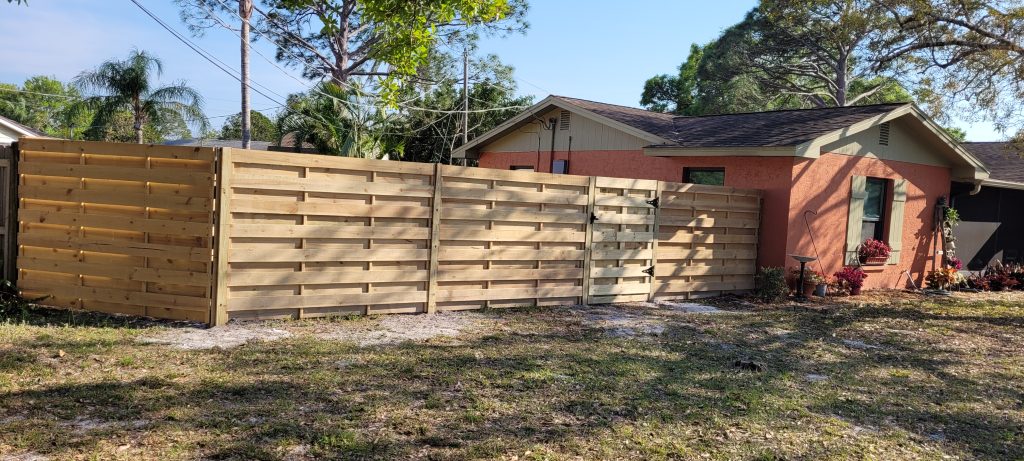
Wood fences are a traditional favorite due to their natural look and wide design options. However, wood is more vulnerable to weather, insects, and rot than synthetic materials.
Average lifespan:
- Untreated wood: 5 to 10 years
- Pressure-treated pine: 10 to 15 years
- Cedar or redwood: 15 to 25 years with proper maintenance
Wood fence durability depends heavily on:
- The type of wood used
- How well the fence is sealed or stained
- Local climate (humidity, rainfall, sun exposure)
- Routine care like repainting and treating for pests
Without regular upkeep, even high-quality wood fences can begin to deteriorate within a decade.
Vinyl Fence Durability and Lifespan
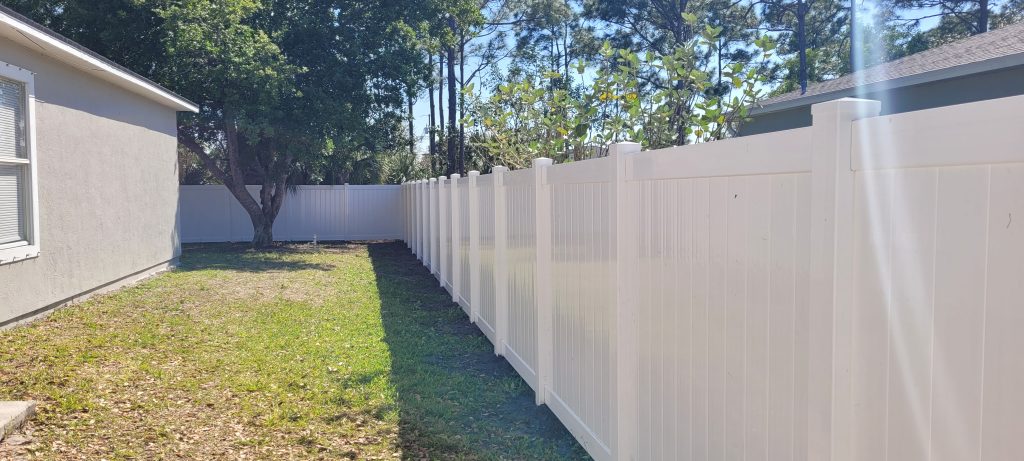
Vinyl fencing has become one of the most popular low-maintenance options on the market. It resists moisture, pests, and fading, making it ideal for long-term use.
Average lifespan:
- 20 to 30 years, with minimal maintenance
- Many high-quality vinyl products include warranties of 25 years or more
Key durability features of vinyl fencing:
- Does not rot, rust, or warp
- Withstands UV exposure without fading
- Requires no painting or staining
- Easy to clean with basic soap and water
Vinyl Fence vs Wood Fence Durability
When comparing vinyl fence vs wood fence durability, vinyl clearly lasts longer and requires less maintenance. However, wood offers more design flexibility and a warmer, natural appearance.
Summary:
| Feature | Wood Fence | Vinyl Fence |
| Lifespan | 10–25 years | 20–30 years |
| Maintenance | High | Low |
| Susceptible to rot | Yes | No |
| Color retention | Requires restaining | UV-resistant finish |
| Custom styling | High | Moderate |
Choosing between vinyl and wood comes down to your priorities: long-term durability and ease of care, or customizable design and natural appeal.
Aluminum Fence Durability and Lifespan
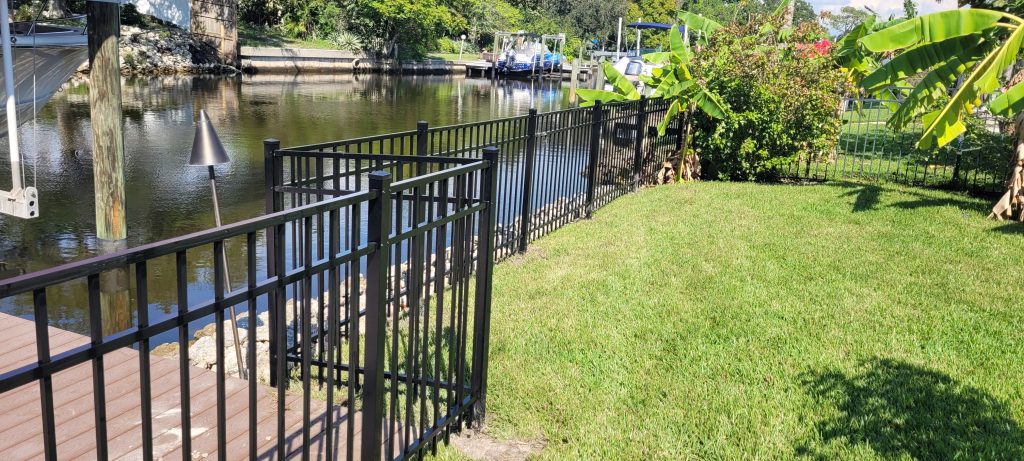
Aluminum fencing is valued for its strength, elegance, and resistance to the elements. It is commonly used in both residential and commercial applications, especially where visibility and style are important.
Average lifespan:
- 30 years or more, with very low maintenance required
Durability highlights:
- Naturally rust-resistant due to powder-coated finishes
- Does not rot or warp
- Withstands moisture, heat, and sunlight without fading
- Ideal for coastal or humid environments
Aluminum fences are an excellent long-term investment for homeowners who want a sleek, low-maintenance perimeter solution.
Chain-Link Fence Durability and Rust Resistance
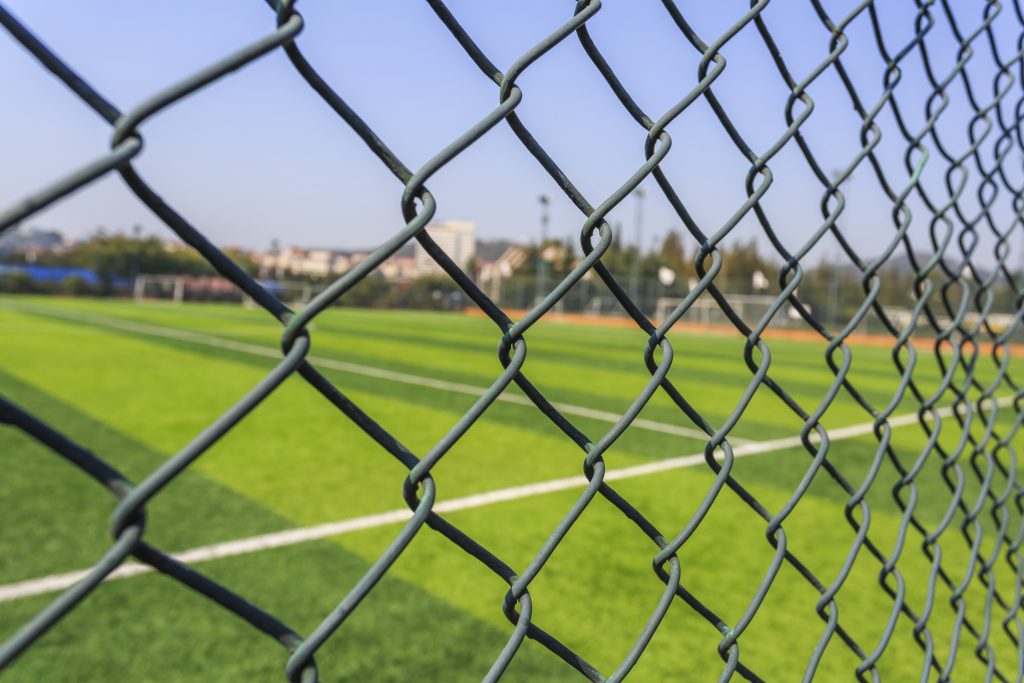
Chain-link fences are among the most durable and cost-effective fencing options available, particularly for large areas or functional spaces.
Average lifespan:
- 15 to 25 years, depending on coating and environmental exposure
Key factors affecting chain-link fence durability:
- Galvanized steel resists rust but may corrode over time in wet or coastal areas
- Vinyl-coated chain-link improves durability and appearance
- Chain link fence durability rust issues can occur if coatings wear off or metal is exposed
Although chain-link fencing offers less privacy, it performs well in terms of security and weather resistance. Regular inspections for rust and prompt repairs can extend its life significantly.
Composite Fence Lifespan
Composite fencing combines recycled plastic and wood fibers, offering the appearance of wood with superior durability and minimal maintenance.
Average lifespan:
- 25 to 40 years, depending on brand and installation quality
Durability benefits:
- Resists fading, moisture, rot, and insects
- Does not require painting or staining
- Maintains color and shape over decades
- Heavier than other materials but extremely sturdy
Composite fences are ideal for those seeking a premium, long-lasting solution with the natural look of wood and the performance of synthetic materials.
What Affects Fence Durability Over Time
Even the strongest fencing materials can break down prematurely if exposed to the wrong conditions or installed without care. Here are the key factors that influence how long a fence will last:
Climate and Weather Exposure
Harsh climates have a direct impact on fence lifespan.
- Rain and humidity accelerate rot and rust in wood and metal fences
- Extreme sun exposure causes fading, drying, and cracking
- Snow and ice add weight and moisture that can damage fasteners and supports
- Coastal environments can introduce salt corrosion, especially in metal components
Soil Conditions and Drainage
Poor drainage can trap water at the base of your fence posts, weakening foundations and increasing the risk of rot or rust.
- Ensure proper grading and water runoff
- Use concrete footings and treated posts when necessary
Installation Quality
A properly installed fence will last significantly longer than one that’s rushed or poorly aligned.
- Posts must be set to the correct depth and spacing
- Materials must be secured with the right fasteners
- Expansion gaps, slope adjustments, and reinforcements all matter
Maintenance and Upkeep
Each material requires different levels of maintenance, and neglecting those tasks will shorten its life.
- Unsealed wood can rot within a few seasons
- Exposed metal parts can corrode without protective coatings
- Small issues like loose boards or rust spots can spread quickly if ignored
Material Grade and Finish
Not all fencing materials are created equal. High-quality wood, thicker vinyl, and industrial-grade aluminum can outlast budget alternatives by years or even decades.
- Choose materials with proven resistance ratings
- Opt for powder-coated or pre-sealed finishes when possible
Fence Maintenance Tips to Extend Lifespan
Regular maintenance is one of the most effective ways to protect your investment and extend the lifespan of your fence. Even low-maintenance materials benefit from occasional care and inspection.
A proper maintenance routine not only prevents long-term damage but also helps you detect early signs of wear before they become costly repairs.
Wood Fence Maintenance
Wood fences are beautiful and versatile but require consistent upkeep to stay in good condition.
Tips to extend wood fence durability:
- Seal or stain every 2 to 3 years to protect against moisture and UV damage
- Clean the surface with a mild soap solution and water once or twice per year
- Inspect for rot or insect activity, especially at the base of posts
- Replace damaged boards immediately to prevent structural weakness
- Avoid sprinkler systems or plant beds that keep the base of the fence constantly wet
Proper care can extend the lifespan of a wood fence from 10 years to over 25, especially when using cedar or redwood.
Vinyl Fence Maintenance
Vinyl fences are popular for their low-maintenance appeal, but some basic care is still recommended to keep them in great shape.
Key vinyl fence maintenance tips:
- Wash the surface regularly with water and a mild detergent
- Avoid abrasive cleaners or wire brushes that can scratch the finish
- Trim nearby vegetation to reduce mold or mildew buildup
- Check for shifting posts or hardware loosening over time
- Inspect expansion joints in hot climates where vinyl may expand or contract
Thanks to its weather resistance and simple upkeep, a vinyl fence can last over 30 years with minimal effort.
Chain-Link and Metal Fence Maintenance
Metal fences, including chain-link, require the least maintenance but still benefit from occasional checks—especially in humid or coastal regions where rust is a risk.
Maintenance tips for chain-link and aluminum fences:
- Inspect for rust, especially at weld points or areas with chipped coatings
- Apply rust-inhibiting primer or spray to small corrosion spots early
- Clean debris from base and corners to avoid water pooling
- Tighten loose hardware or fasteners
- For vinyl-coated chain-link, check the coating for cracks or wear
To combat chain link fence durability rust issues, consider choosing galvanized steel with a protective finish, or upgrading to vinyl-coated options.
When to Repair or Replace Your Fence
Even the most durable fences will eventually show signs of age. But how do you know when a repair is enough, or when it’s time to start fresh?
Here are some key signs:
Consider Repairing When:
- Minor damage is limited to one or two boards or panels
- Posts are stable and the fence structure is solid
- Rust or rot is caught early and can be treated
- The fence is still under warranty
- You want to preserve the current look without major cost
Consider Replacing When:
- More than 25% of the fence is damaged or unstable
- Wood is heavily rotted or warped throughout
- Rust has compromised the structure of a metal fence
- You’re dealing with recurring issues from poor installation
- The fence no longer matches your security or privacy needs
In many cases, replacing an old or outdated fence is more cost-effective than ongoing patchwork repairs—especially if durability and aesthetics are a priority.
Ask the Experts at Incafence
Still unsure how long your current fence will last? Or choosing between wood and vinyl for your next installation?
At Incafence, we help homeowners and businesses make smart, long-term decisions about fencing. Whether you need a quick repair or a completely custom solution built for maximum lifespan, our team is here to guide you every step of the way.
We work with high-quality materials designed for durability
We offer professional installation for residential and commercial projects
We provide honest advice based on your property, location, and budget
Request a free estimate today and discover how the right fence can last for decades.